Visor Control: Human in the loop, always.
Automation at full speed. Your people in charge.
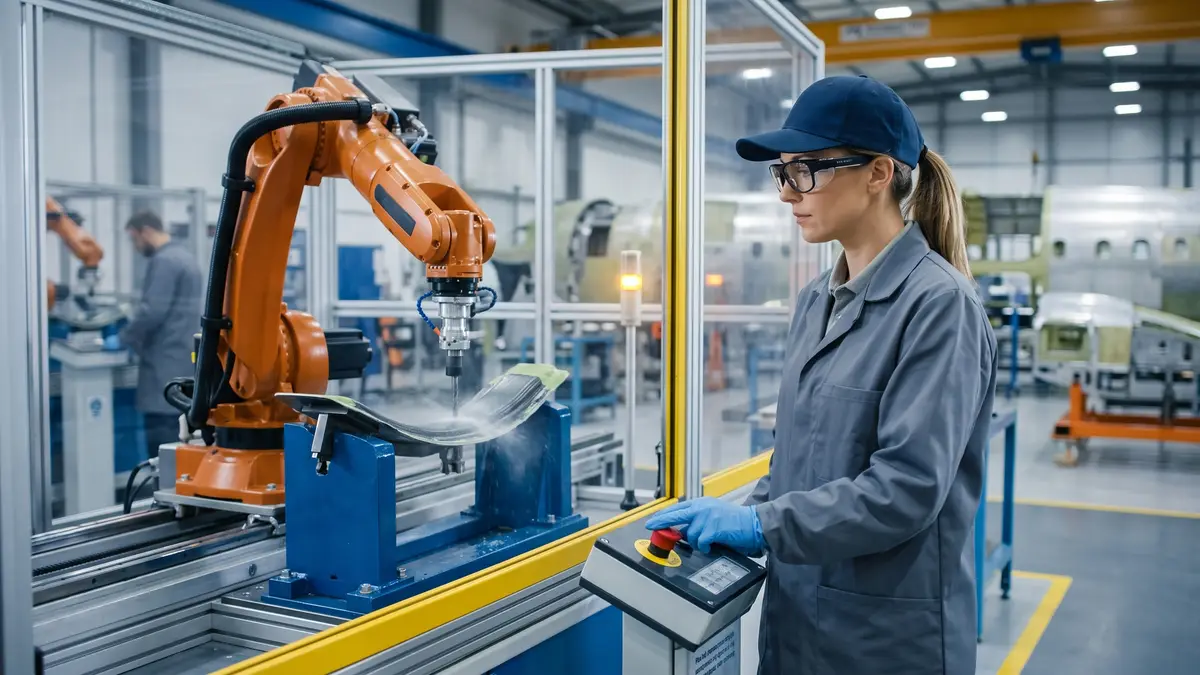
The module
Trust is an interface problem.
Autonomous systems do not fail politely. The moment an operator needs to intervene, they need the full picture and a working override, not a dashboard three screens away. Visor Control is that interface: live state, intent, and camera views for every system, with command authority one action away.
Control is built for human-machine teaming, not babysitting. Routine operation runs at full speed without interruption; the system escalates to a human exactly when a decision crosses your thresholds: a safety boundary, an unexpected obstacle, a confidence drop.
One operator supervises a fleet instead of a unit, and every intervention is logged: what the system wanted to do, what the human decided, and why. Accountability scales with the automation.
Capabilities
What Visor Control does on the floor.
Live state and intent
Override one action away
Escalation by threshold
Every intervention logged
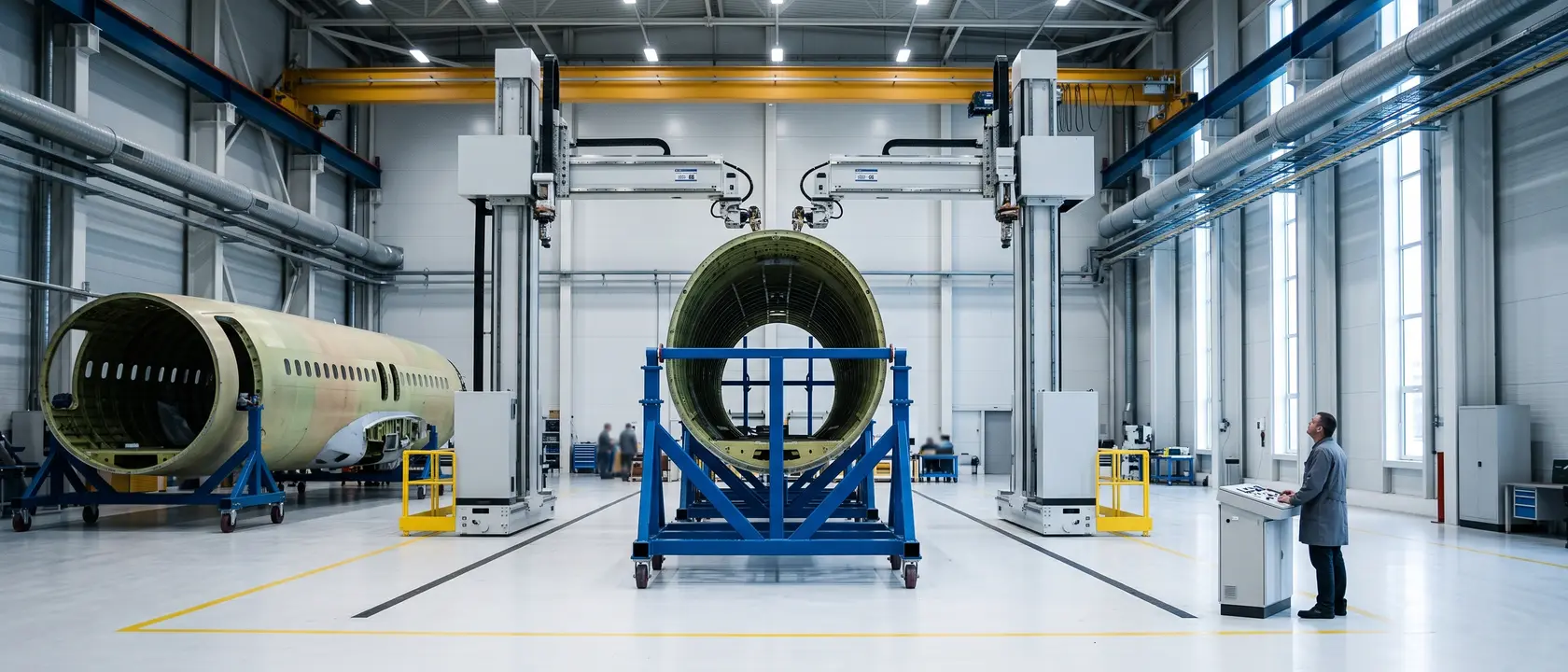
Where it proves out
In the case studies, and in the field.
Get started
Scale automation without losing command.
Tell us which autonomous systems you run, or plan to. We will show you the human-in-the-loop layer over them.
Other modules